Fabric insight
How to Choose Four-Way Stretch Woven Fabric for Outdoor Apparel
A practical guide to evaluating four-way stretch woven fabric by composition, recovery, weight, hand feel, finishing and intended garment application.
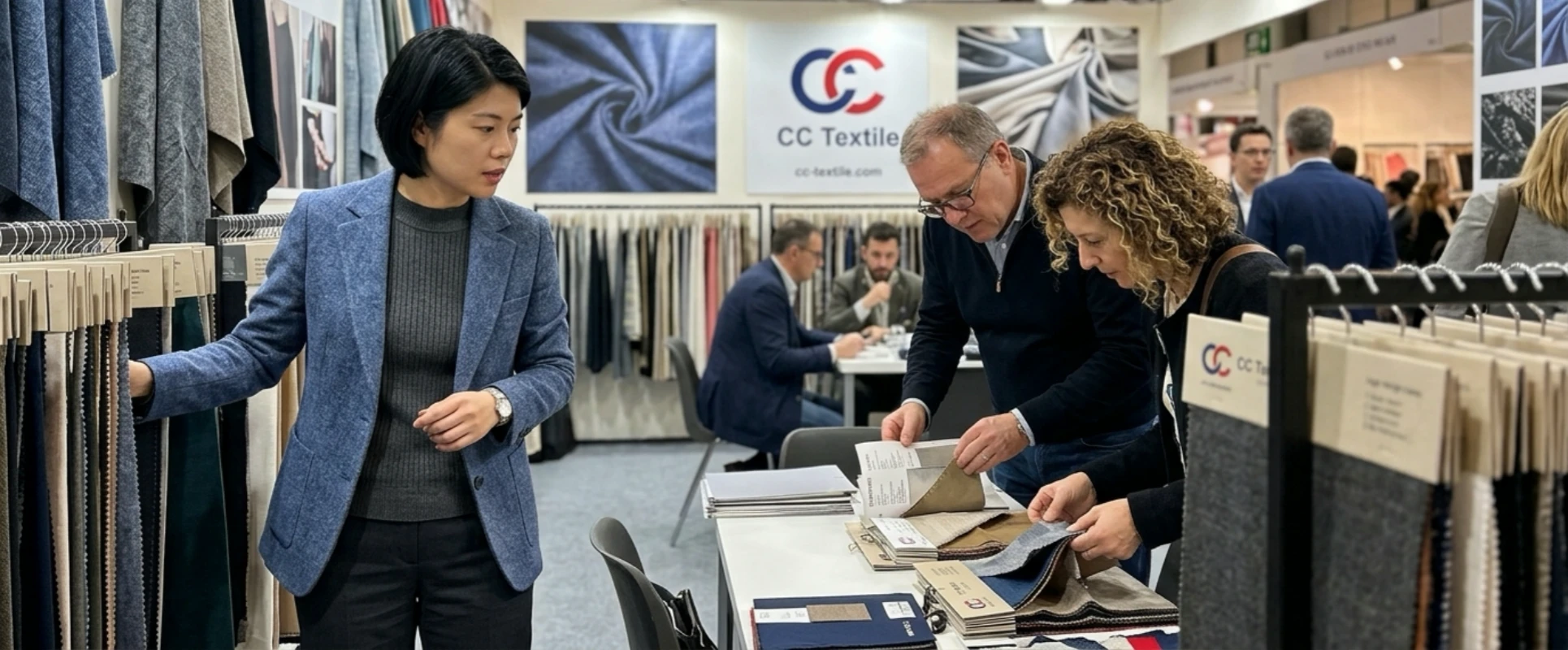
Four-way stretch woven fabric is widely used for outdoor trousers, activewear, travel apparel and garments that require freedom of movement. However, stretch percentage alone does not determine whether a fabric is suitable for a specific product.
Start with the Intended Garment
The fabric should be selected around the garment design, target weight, required durability, climate and expected movement. Lightweight hiking trousers and structured workwear trousers may require very different constructions, even when both use four-way stretch fabric.
Evaluate Stretch and Recovery Together
A fabric may stretch easily but fail to return to its original dimensions after repeated movement. Buyers should evaluate both stretch percentage and recovery, especially around knees, elbows, waistbands and other high-movement areas.
Consider Composition, Weight and Hand Feel
Nylon/spandex fabrics generally provide durability and a technical hand feel, while polyester/spandex constructions may offer different colour, drying and cost characteristics. GSM, weave structure and finishing also affect drape, opacity and garment comfort.
Confirm Finishing and Testing Requirements
Water repellency, moisture management and other functional finishes should be specified separately. Water-repellent fabric is not automatically waterproof. Final performance should be verified using the agreed test method and approved production sample.
Frequently Asked Questions
Is four-way stretch woven fabric suitable for hiking trousers?
Yes, when the weight, recovery, abrasion resistance, hand feel and finishing are suitable for the intended hiking-trouser design.