
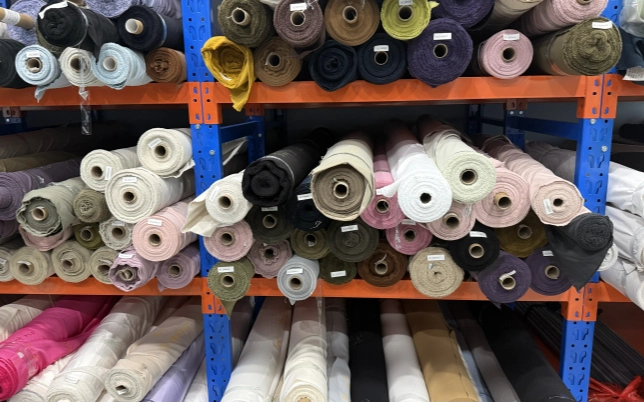
Develop From a Reference Sample
A swatch, product photo, specification or target performance can be the starting point. We review composition, weave, yarn specification, GSM, usable width, hand feel and the likely finishing route.
CUSTOM FABRIC DEVELOPMENT
Bring us a reference sample, specification, product image or garment concept. We work with you to turn the idea into an approvable woven fabric and a practical route to bulk production.
YOUR IDEA · OUR DEVELOPMENT SUPPORT
The intended garment and end use set the direction. We review construction, composition, weight, usable width, hand feel, finishing route, target performance, MOQ and timing, then confirm a feasible route for sampling and approval.
FABRIC DEVELOPMENT
Start with what you already have. We review the construction, colour, hand feel, finishing and target performance, then define what needs to be confirmed before bulk.
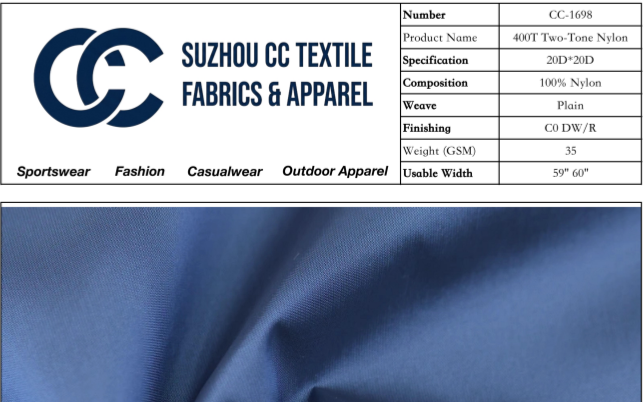
A swatch, product photo, specification or target performance can be the starting point. We review composition, weave, yarn specification, GSM, usable width, hand feel and the likely finishing route.
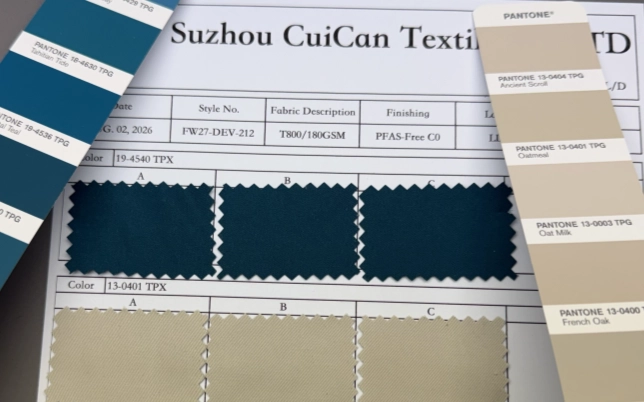
Pantone references, customer colour standards or an approved physical sample can be used to coordinate lab dips and establish the bulk colour reference.
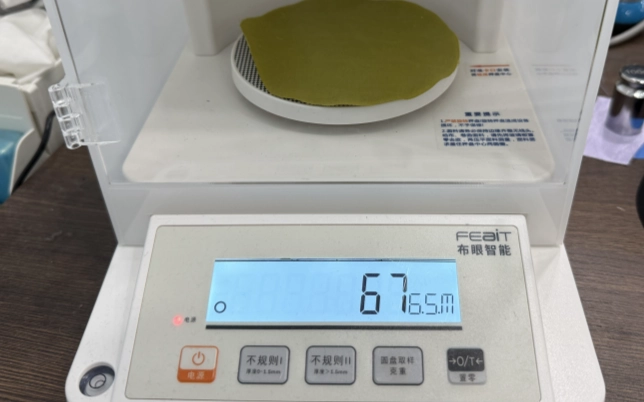
GSM, usable width, stretch, hand feel and construction can be adjusted where technically and commercially workable, then reconfirmed before bulk production.
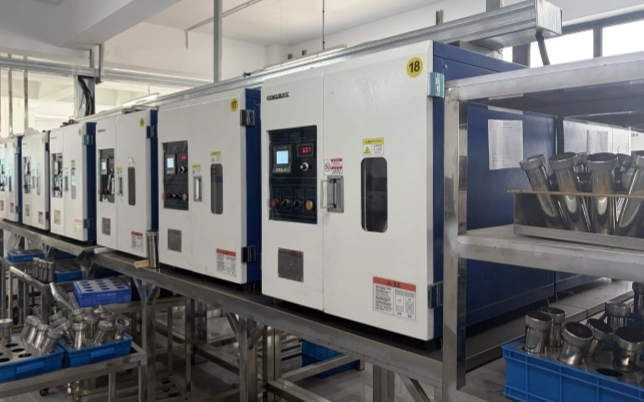
Coating, printing, lamination and functional finishing are selected around the fibre, fabric construction, garment application and required performance.
FUNCTIONAL FINISHING & CONVERSION
Finishing is part of the fabric specification, not an afterthought. The route is selected around the base fabric, garment use, required hand feel and performance target, then confirmed through development.
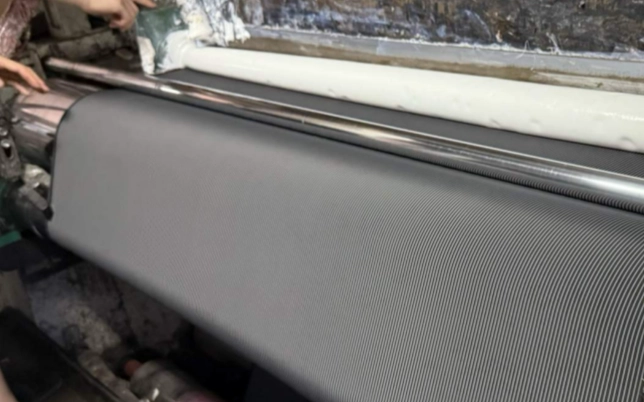
COATING
Depending on the base fabric and target specification, PA or PU coating can be developed for surface character, hand feel and project-specific performance. Coating is distinct from a laminated TPU membrane construction.
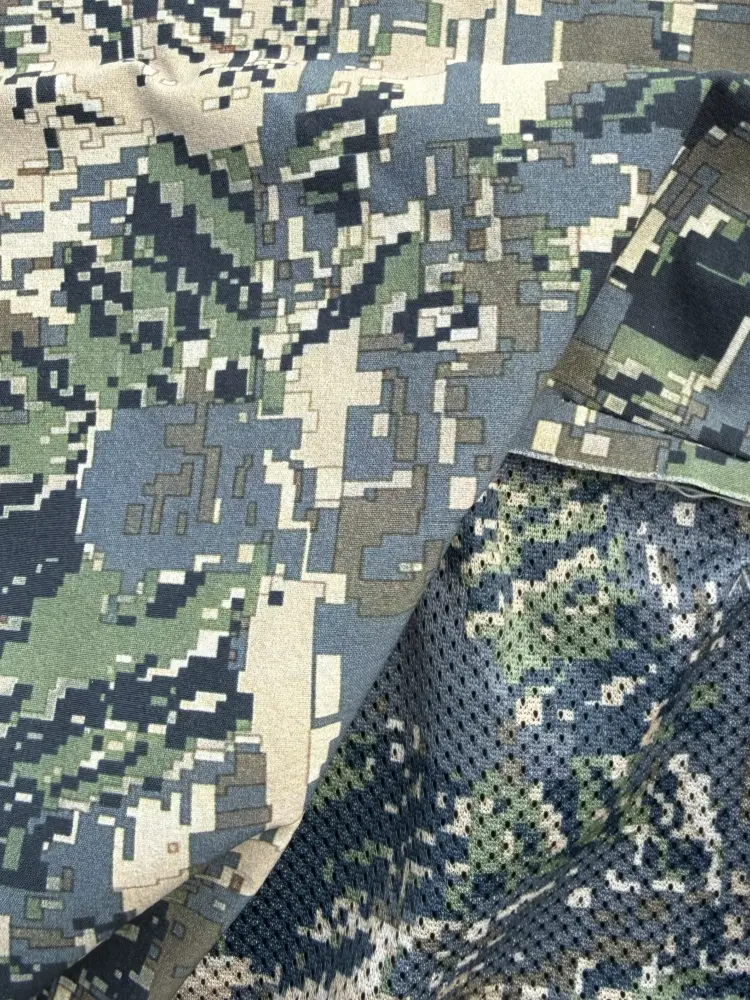
PRINTING
Pigment, reactive, disperse, transfer/sublimation or digital printing can be reviewed where suitable. The process depends on fibre content, construction, artwork, colour requirement, fastness target and end use.
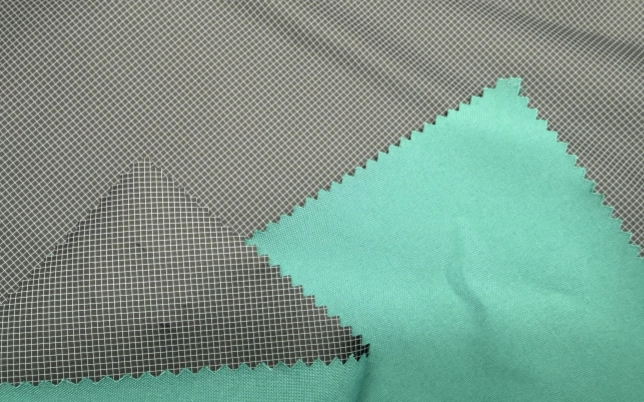
LAMINATION
TPU membrane, two-layer or three-layer constructions and knitted or fleece backings can be developed where the garment requires a multi-layer fabric. Waterproof and breathability claims require agreed construction and test data.
FUNCTIONAL FINISHES
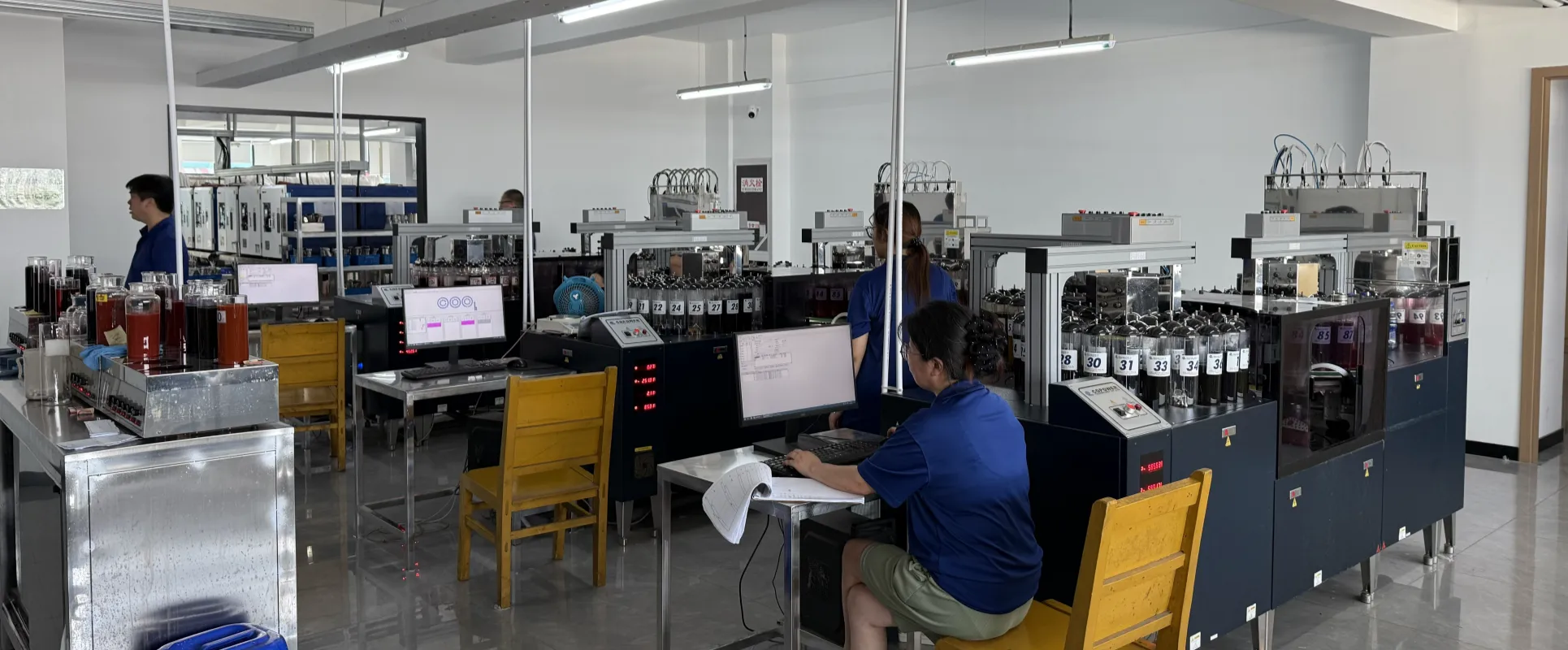
Functional requirements are reviewed with the base construction and finishing route. Depending on the project, this can include water repellency, waterproof constructions, quick dry, moisture management, UPF 50+ targets, breathability, printing, coating, lamination and TPU membrane solutions.
OUR FABRIC DEVELOPMENT PROCESS
Construction, colour, hand feel, finishing, performance and commercial requirements stay connected as the reference is developed and approved.
Confirm garment application, specification, performance targets and commercial requirements.
Review construction, composition, GSM, width, hand feel, stretch and finishing options.
Prepare sample development and colour references, then make the required technical adjustments.
Confirm colour, hand feel, construction, appearance and required performance before bulk.
Follow approved specifications, colour standards and finishing requirements during production.
Coordinate fabric inspection, required testing, packing and export documentation.
SPECIFICATION & TESTING SUPPORT
The approved specification and physical reference guide bulk follow-up. When independent testing is required, the submitted sample, test method and acceptance target are agreed before the test is arranged.
See quality control & third-party testing →DEVELOPMENT SUPPORT
We confirm the garment use, available reference and the technical or commercial points that matter before sampling begins.
Samples, lab dips and key specifications are reviewed before the project moves into bulk production.
Inspection and third-party testing can be coordinated when the buyer or project requires documented verification.
Development decisions, approvals, bulk status and shipment information stay connected throughout the order.