
Fabric insight
Why Does the Same Fabric Have Different Prices?
Two fabrics can have the same composition and appearance but different yarns, construction, finishing durability, testing and quality-control scope. This guide explains why fabric prices vary and how buyers can compare quotations without creating hidden production risk.
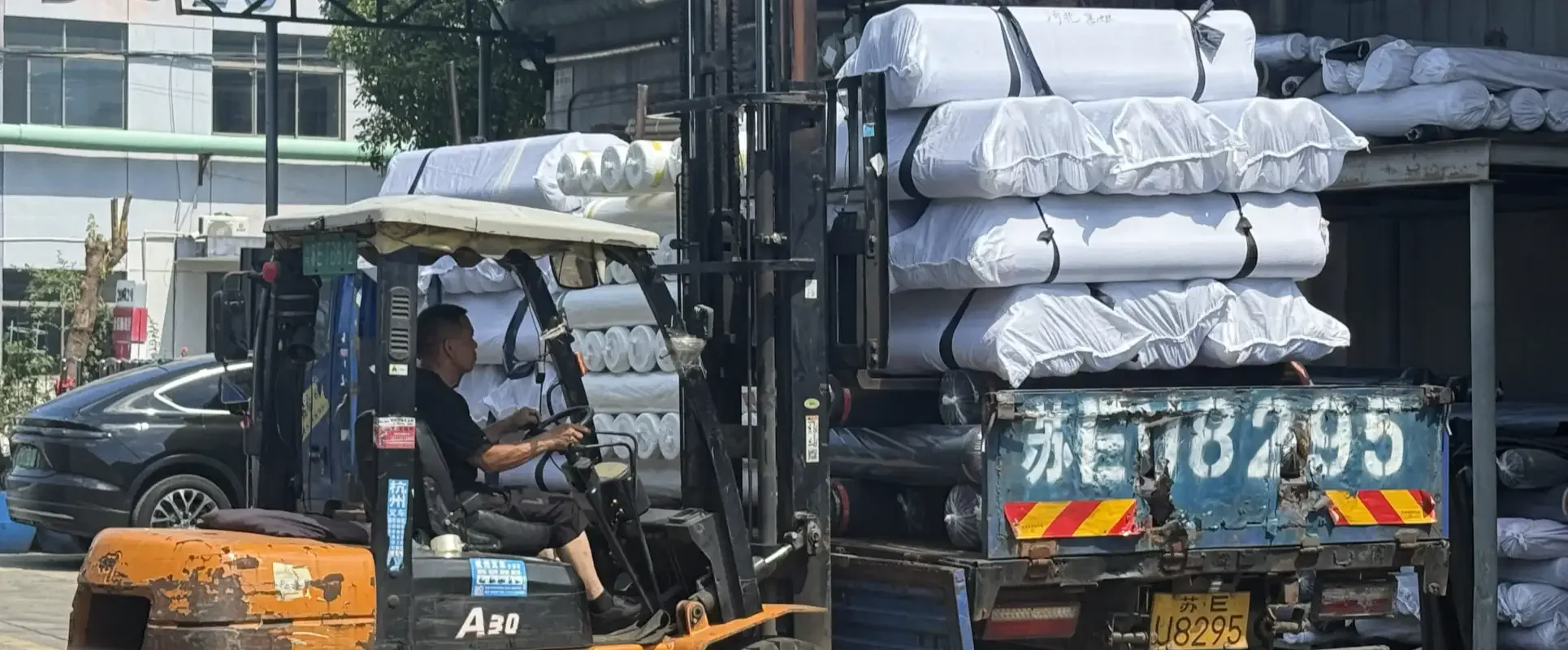
“Why is one supplier’s fabric much cheaper when the composition and appearance seem the same?”
Fabric buyers ask this question frequently. The short answer is that two fabrics described with the same fibre content are not necessarily the same product.
The yarn specification, spandex content, construction, finished GSM, usable width, dyeing route, functional finish, testing scope and quality control may all be different. One quotation may also include development support, inspection and problem handling that another excludes.
Some lower prices are legitimate. They may come from production scale, available stock, a repeat construction, better planning or a longer lead time.
The risk appears when the price is reduced by changing the specification without explaining the change to the buyer.
Raw materials, dyeing, finishing, labour, energy, inspection and testing all have real costs. A quotation that is substantially below comparable offers deserves a line-by-line review. It is not proof of poor quality, but it should not be accepted solely because the fabric name looks familiar.
1. The “Same Fabric” May Not Have the Same Specification
A description such as “nylon spandex stretch woven fabric” identifies only part of the material.
It does not tell the buyer:
• The nylon yarn specification or grade
• The spandex yarn specification and actual proportion
• The weave and fabric density
• The finished GSM and tolerance
• The usable width
• The stretch direction and recovery requirement
• The dyeing and heat-setting route
• The colourfastness requirement
• The functional finishing agent and durability target
• Whether the quotation includes inspection or laboratory testing
The same problem appears with descriptions such as “polyester four-way stretch,” “nylon Ripstop” or “water-repellent jacket fabric.” These are useful product categories, but they are not complete purchasing specifications.
Two fabrics can look and feel similar in a small hand sample while having different end-and-pick counts. ASTM D3775 covers the measurement of warp end and filling pick count in woven fabrics.
Finished weight also needs a defined method and tolerance. ASTM D3776/D3776M covers mass per unit area, commonly discussed as fabric weight or GSM.
Even the sampling route matters. A GSM result taken from a small swatch applies to that specimen and may not represent an entire production lot unless the sampling plan supports that conclusion.
Before asking why one fabric costs more, buyers should first establish whether the two quotations describe the same measurable specification.
2. When a Lower Fabric Price Can Be Reasonable
A lower quotation does not automatically mean that the supplier has reduced quality.
There are legitimate ways to lower cost.
Production scale
A repeat construction produced in larger quantities may have lower weaving, dyeing and setup costs than a small custom development.
Available greige or finished stock
If a suitable base fabric is already available, the supplier may avoid new yarn preparation or loom setup. Stock availability can reduce both cost and lead time.
Standard colours and established processing routes
A repeat colour or familiar finishing route may require fewer development trials than a new colour, new hand feel or new performance target.
Longer planning time
A flexible delivery schedule may allow production to be arranged more efficiently. Urgent orders can require different planning and additional cost.
Simplified but disclosed requirements
A buyer may decide that a lower GSM, different yarn specification or less demanding finishing target is sufficient for the intended garment. This can be a valid cost adjustment when it is disclosed, sampled and approved.
The key issue is transparency.
A cost-saving option should be presented as a revised specification, not supplied silently under the original specification. The buyer should know what has changed and how it may affect the garment.
3. Where Hidden Price Differences Commonly Appear
In CC Textile’s experience, low quotations may differ in areas that are not obvious from a product name or small swatch.
Yarn specification and grade
Yarn is a substantial part of woven-fabric cost. Two suppliers may use different yarn specifications while describing the finished material with the same general fibre content.
Differences in filament configuration, yarn quality, consistency or sourcing can affect weaving stability, surface appearance, hand feel and physical performance.
The buyer does not need to become a yarn technician, but the yarn specification used for the approved sample should stay connected to bulk production.
Spandex specification or content
Stretch fabric pricing can change when the spandex yarn, proportion or construction changes.
A fabric may stretch when pulled by hand but still have different elongation, recovery and dimensional behaviour from the approved material. Stretch direction and recovery should be defined where they matter to the garment.
A lower-cost alternative using a different stretch construction should be identified as an alternative, not presented as an identical fabric.
Construction, density and GSM
Lower end-and-pick density or a lower finished GSM can reduce material usage and cost. It can also change opacity, hand feel, tear behaviour, wind resistance and garment structure.
A GSM shortage cannot be judged only by appearance. Likewise, increasing finishing weight does not necessarily compensate for a weaker base construction.
Buyers should specify tolerances for finished GSM and construction instead of accepting an undefined “approximately the same” material.
Functional finishing and durability
An initial water-repellent, coated or laminated sample can appear acceptable during a quick visual check. The difference may only become visible after washing or laboratory testing.
Lower finishing cost may involve a different finishing agent, an unsuitable application level or a reduced durability requirement. This can affect DWR retention, coating consistency or laminate performance.
More finishing agent is not automatically better. The selected chemistry, application level, process and durability target need to work together.
For functional fabrics, the quotation should state whether the price is based on initial performance only or includes an after-wash requirement. Our waterproof fabric specification guide explains why the method and durability conditions need to be agreed before approval.
Dyeing and finishing route
The dyeing and finishing route affects colour consistency, hand feel, dimensional stability and functional performance.
CC Textile works with dyeing and finishing partners that have been evaluated for the relevant project requirements. Their names do not need to be published for buyers to understand the principle: the production route should be selected according to the fabric, colour, finish and required control.
A lower-cost processing route may not include the same documented controls, traceability or ability to investigate a problem. Buyers should ask how the supplier qualifies and follows the actual production route rather than relying on a general statement about factory size.
Testing, inspection and after-sales support
Some quotations cover only the physical fabric.
Other quotations may also include:
• Specification review
• Sample matching and development trials
• Lab-dip coordination
• Functional finishing follow-up
• Bulk shade and visible-defect inspection
• Performance testing coordination
• Packing and shipment review
• Investigation when a result or bulk lot does not match the approved reference
These activities have a cost. If they are excluded, the quotation may be lower, but the buyer or garment factory may need to arrange them separately.
The right comparison is therefore not only price per metre. It is price for the complete agreed scope.
4. How a Cheap Fabric Can Create a More Expensive Garment Problem
A small saving at fabric-purchasing stage can become a much larger cost after cutting or garment production begins.
Shrinkage outside the agreed tolerance
Unexpected shrinkage can change garment measurements, pattern consumption and panel matching. If discovered after cutting, the material cannot simply be returned as an untouched roll.
Finished GSM or density below specification
A lighter or less dense fabric may produce a different hand feel, appearance or physical performance. The buyer may need to repeat sampling, adjust the garment or replace the fabric.
Colour difference or inadequate colourfastness
Shade inconsistency can prevent panels from being mixed across rolls or lots. Inadequate colourfastness may appear during washing, rubbing or garment testing.
The resulting cost can include sorting, panel replacement, re-cutting, re-dyeing or delayed delivery.
Unstable water repellency, coating or lamination
A surface may bead water when first inspected but fail the required wash-durability test. Coating inconsistency or unstable lamination may also appear only after processing or testing.
The buyer then faces re-finishing, re-testing, replacement or a change to the garment-production schedule.
Delay and limited claim support
A low quotation offers little value if the supplier cannot trace the production route, investigate the problem or coordinate corrective action.
The buyer may incur testing fees, garment-factory waiting charges, airfreight, missed delivery windows or customer claims. These costs are not visible in the original price per metre.
The practical calculation is cost per usable, approved metre rather than cost per invoiced metre.
Quoted fabric price + testing + inspection + cutting loss + rework + replacement + delay = actual sourcing cost.
The lowest first quotation does not always produce the lowest final cost.
5. How Buyers Should Compare Fabric Quotations
When two suppliers quote different prices for what appears to be the same fabric, ask both suppliers to confirm the same specification.
Fabric identity
• Fibre composition and permitted tolerance
• Yarn specification where relevant
• Weave or construction
• Warp and filling density
• Finished GSM and tolerance
• Total width and usable width
Stretch performance
• Stretch direction
• Target elongation
• Recovery requirement
• Whether testing applies to the face fabric or completed laminate
Colour and dyeing
• Colour reference or approved lab dip
• Dyeing route
• Required colourfastness methods and grades
• Shade consistency requirement
Functional finishing
• DWR, coating, membrane, lamination or other finish
• Initial performance target
• Wash cycles and after-wash target
• Test method and acceptance value
Commercial terms
• MOQ and minimum quantity per colour
• Price unit: metre, yard or kilogram
• Whether tax, packing, testing and freight are included
• Delivery time
• Payment terms and Incoterm
Approval and bulk control
• Approved sample or physical reference
• Bulk sampling plan
• Inspection scope
• Third-party laboratory requirement
• Procedure for handling deviations or claims
If one supplier’s price is lower because a parameter has been changed, ask for the alternative to be listed separately.
For example:
Original requirement: 160 GSM, specified stretch recovery and wash-durable C0 DWR.
Cost-adjusted option: lower GSM or different DWR durability requirement, subject to a new sample and approval.
This gives the buyer a commercial choice without creating a hidden substitution.
CC Textile’s fabric development process starts with the intended garment, available reference and measurable requirements so that cost adjustments can be evaluated before bulk production.
6. Price Does Not Prove Quality, but Evidence Helps
A higher fabric price does not automatically prove better quality. Branding, inefficient production or unnecessary specifications can also increase cost.
Likewise, a low price does not automatically prove that the fabric is unsuitable.
The buyer needs evidence:
• Is the quoted specification complete?
• Does the sample match that specification?
• Are the required performance targets measurable?
• Does bulk production follow the approved sample?
• Are inspection and testing included where needed?
• Can the supplier trace and investigate a problem?
• Is the price saving explained clearly?
Good sourcing is not about choosing the most expensive offer. It is about understanding what each offer includes and whether it is suitable for the garment.
Service also needs a practical definition. It should mean identifying development risks, confirming the specification, coordinating approvals, following bulk production and responding when results do not match the agreed requirement.
Our Quality and Compliance page explains how approved references, colour, finishing, inspection and testing can remain connected from development to shipment.
The Better Question to Ask a Fabric Supplier
Instead of asking only, “Why is your fabric more expensive?” ask:
“What is included in this quotation, and which specifications are different from the lower-priced option?”
That question makes the comparison measurable.
Quality has a cost, but price alone is not proof of quality. A reliable quotation should explain the material, processing route, performance target, approval process and services included.
If you have two fabric quotations, a physical sample or a target price, contact CC Textile for a specification-based review. Where a lower-cost construction is technically workable, it can be developed and approved transparently rather than achieved through an undisclosed change.
You can also find CC Textile on Instagram.
Frequently Asked Questions
Why can fabrics with the same composition have different prices?
Composition does not define yarn specification, construction, density, GSM, usable width, spandex performance, dyeing, finishing durability, testing or inspection. Two fabrics with the same fibre label may therefore have different costs and performance.
Does a cheaper fabric always mean lower quality?
No. Lower prices can result from scale, stock availability, repeat production or better planning. The risk is an undisclosed change to the specification, finishing durability, testing or quality-control scope.
What should buyers compare besides the price per metre?
Compare composition, yarn specification, density, finished GSM, usable width, stretch and recovery, colourfastness, finishing route, after-wash performance, test methods, MOQ, inspection, delivery terms and claim support.
How can buyers reduce fabric cost without creating hidden risk?
Ask the supplier to present any cost-saving construction as a separate specification. Review the changed GSM, yarn, width, finishing or durability target, then approve a new sample and complete the required testing before bulk production.